Programmes Who You Are Why WinSkill Insights Take the quiz

Programme · 4 months · Online

Wellbeing and Mindfulness

A four-month online diploma for yoga, mindfulness and wellness practitioners adding scientific depth and clinical grounding to their work. Built for practitioners who want their work to carry institutional weight.

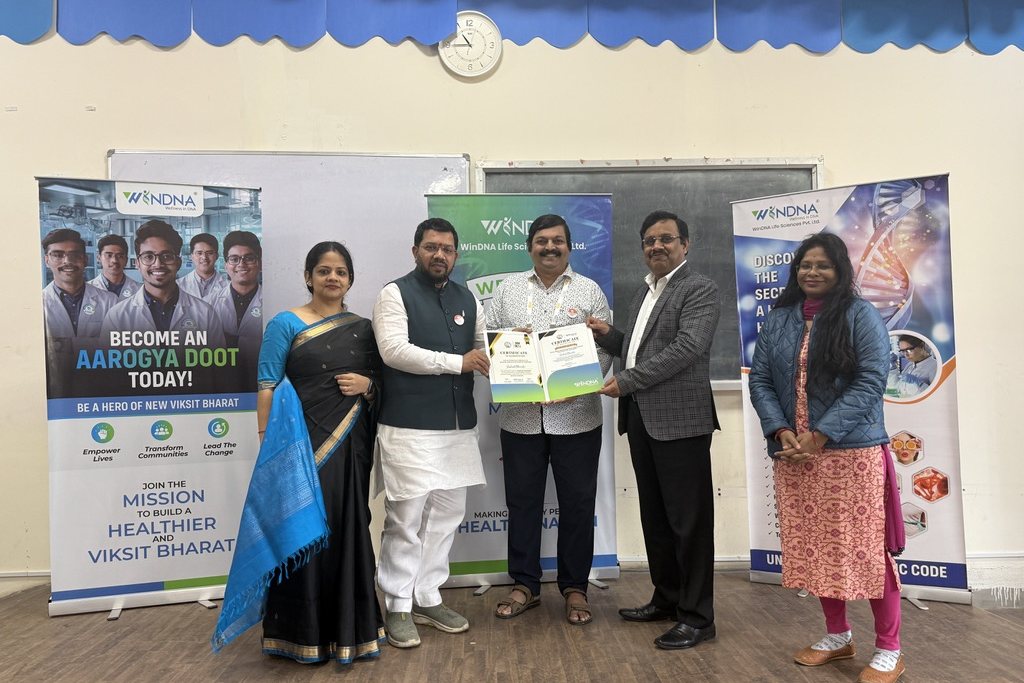
A WinSkill certificate presentation
WinSkill recognition

Duration

Four months

Delivery

100% online

Credential

Sambalpur University-recognised

Cohort

Limited intake

What you become

What you can do at the end of four months.

The CWMP Diploma is designed to give established wellness practitioners the scientific and clinical grounding to extend their practice into healthcare and corporate settings. Four outcomes by the end of the programme.

01

Speak the language of clinical wellbeing.

Understand the physiology of stress, the neuroscience of attention, and the evidence base behind mindfulness well enough to converse with a doctor, hospital administrator or corporate health lead.

02

Apply structured mindfulness in clinical and corporate settings.

Adapt practice for hospital wellness departments, corporate stress programmes, and clinically supervised mind-body interventions. Hold scope and safety appropriately.

03

Integrate wellbeing into preventive health practice.

Position mindfulness, breathwork and contemplative practice as part of preventive healthcare rather than a separate wellness category. Bridge the languages of yoga and medicine.

04

Build a recognised practice with institutional credibility.

Move from running independent workshops to working with clinics, hospitals and corporate health programmes as a credentialed practitioner.

Who the programme is for

Built for experienced wellbeing practitioners.

The CWMP Diploma is designed for established practitioners. We are looking for people who already have years of personal practice and teaching experience and want to extend their work into structured, evidence-anchored settings.

This programme is not an entry-level mindfulness course. The cohort discussions assume real practice depth. The application conversation helps us understand where you are in your work.

What you learn

Sequenced around real practice.

The curriculum bridges the languages of contemplative practice and clinical science. Each module connects something a yoga or mindfulness practitioner already knows to how it shows up in medical and corporate settings.

01

The science of mind-body practice

What current research actually says about meditation, breathwork and contemplative practice. The neuroscience of attention, the physiology of breath, the measurable effects on stress and metabolic markers.

02

Stress, sleep and the nervous system

Why stress is the gateway into most chronic conditions in India. How the autonomic nervous system responds to practice. Sleep architecture and how mind-body work modifies it.

03

Mindfulness in clinical and corporate settings

Adapting traditional practice for healthcare and corporate environments. Scope of practice. Safety considerations. How to design structured eight-week and twelve-week interventions.

04

Integration with preventive health

Working alongside doctors, dieticians and lifestyle coaches as part of a preventive care team. Documenting and reporting outcomes in a way clinical colleagues can use.

Certification is awarded after a case-based final review and a structured practice demonstration. The credential is recognised by Sambalpur University.

How the programme runs

Online, structured, and built around working professionals.

Most participants are working teachers and practitioners. The four-month duration is designed to deepen existing practice rather than introduce it.

Why this credential matters

India is building a new kind of recognised profession.

India holds the deepest indigenous knowledge base in contemplative and mind-body practice in the world. And yet, in formal Indian healthcare and corporate settings, that knowledge often sits as an optional add-on rather than a structured offering.

The next decade will require practitioners who can carry this lineage with both authenticity and institutional credibility. Hospitals are starting to formalise wellness departments. Corporate wellness programmes are looking for structured, defensible methodology. Insurance and policy frameworks are beginning to recognise mind-body practice as preventive care.

The CWMP credential is recognised by Sambalpur University, anchoring the practitioner within academic and institutional infrastructure. The qualification is intended to be defensible across clinical, corporate and independent settings.
Where graduates work

Three kinds of practice the credential opens up.

The CWMP Diploma extends existing teaching practice into recognised institutional settings. Graduates typically move into one or more of three areas.

Hospital wellness departments

Hospitals building structured wellbeing arms within their preventive medicine or integrative care departments. Credentialed practitioners are required for institutional partnerships.

Corporate wellness programmes

Companies running structured eight-week and twelve-week wellbeing interventions for employees. The credential opens access to programmes that require defensible methodology.

Independent and integrative practice

Practitioners extending their existing yoga or meditation work into structured wellbeing offerings, often with referral relationships to clinics and doctors.

How to apply

Three steps. About a week.

The application is short. The conversation that follows is exploratory. We want to know your teaching background, your personal practice and your reason for adding this credential to your work.

01

Send a short application

Tell the team about your background, where you currently work, and why this programme matters for you. Two or three paragraphs is enough.

02

A brief review and conversation

WinSkill responds with a short call or message exchange. The goal is mutual fit. The team is honest if the programme is not right for your stage.

03

Intake confirmation and onboarding

Once admitted, you receive the cohort schedule, fee structure, onboarding material and access to the first module. The next four months begin from there.

The fastest way to begin is a message. Most applications are answered within the working day.

Begin the application on WhatsApp