
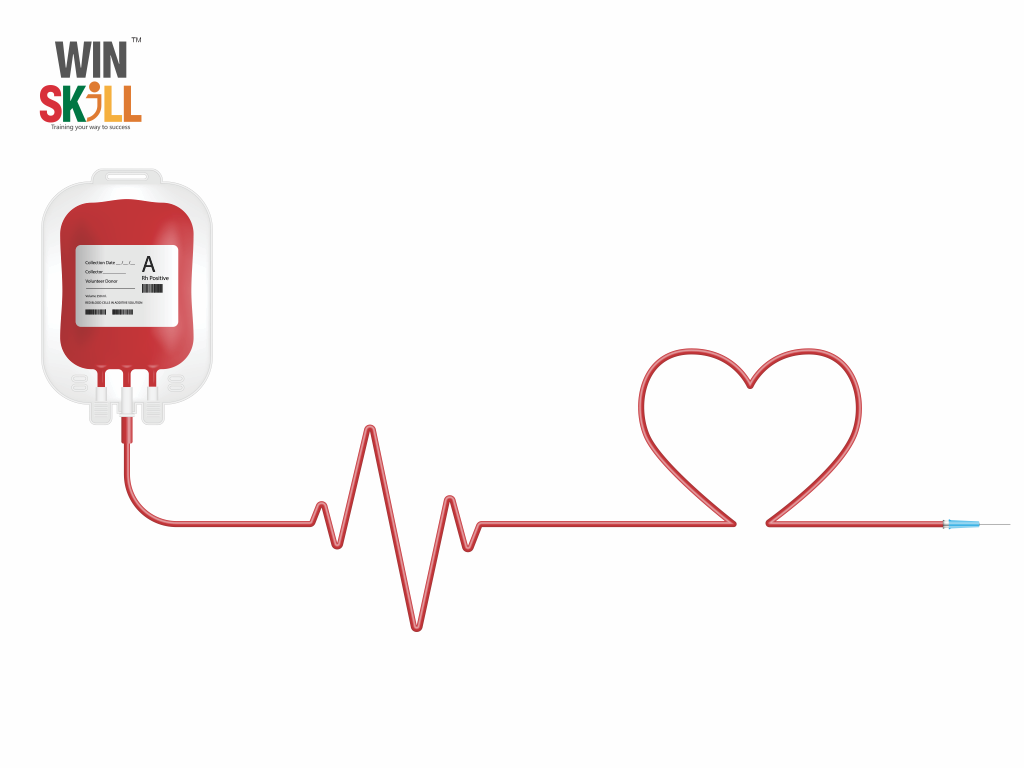
Every year on June 14, the world comes together to celebrate World Blood Donor Day, a day dedicated to recognizing the selfless act of blood donation and its critical role in saving lives. This day not only honors the millions of donors worldwide but also raises awareness about the ongoing need for safe blood supplies.
Why World Blood Donor Day?
Blood is essential for life, and there is no substitute for it. Whether for emergency surgeries, cancer treatments, or managing chronic illnesses, blood donations are crucial for healthcare systems globally. World Blood Donor Day, established by the World Health Organization (WHO) in 2004, highlights the importance of voluntary blood donation, which ensures a stable supply of safe blood.
2024 Theme: “Give Blood, Share Life”
The theme for 2024, “Give Blood, Share Life,” underscores the profound impact that every blood donation has on the lives of recipients. It emphasizes the human connection between donors and patients, showcasing stories of how a simple act of giving blood can create a ripple effect of positivity and recovery.
The Lifesaving Impact of Blood Donation
- Emergency Situations: In accidents or natural disasters, blood transfusions are critical for saving lives.
- Surgical Procedures: Blood is often needed during major surgeries, such as heart surgeries or organ transplants.
- Cancer Treatment: Patients undergoing chemotherapy may require blood transfusions due to the treatment’s effects on blood cell production.
- Chronic Conditions: Individuals with conditions like sickle cell anemia or hemophilia rely on regular blood transfusions.
The Donation Process: What to Expect
If you’ve never donated blood before, you might wonder what the process involves. Here’s a brief overview:
- Registration: You’ll fill out a form with your personal details and medical history.
- Health Check: A health professional will check your hemoglobin levels and overall health to ensure you’re fit to donate.
- Donation: The actual blood donation takes about 10-15 minutes. A sterile needle is used to collect approximately 500 ml of blood.
- Recovery: After donating, you’ll rest for a few minutes and enjoy some refreshments. This helps your body start replenishing the donated blood.
Who Can Donate?
Generally, blood donors must be:
- In good health.
- At least 16-18 years old, depending on the country.
- Weigh at least 50 kg (110 lbs).
- Free from infections or chronic illnesses that could affect blood quality.
Myths and Facts About Blood Donation
Myth: Donating blood is painful and can make you weak. Fact: The discomfort is minimal, comparable to a quick pinch. Most people feel fine after donating, and any weakness is usually short-lived.
Myth: You can contract diseases through blood donation. Fact: Blood donation is safe. All needles and equipment are sterile and used only once.
Myth: Vegetarians and vegans can’t donate blood because they don’t get enough iron. Fact: Vegetarians and vegans can donate blood as long as they meet the health and hemoglobin requirements.
How You Can Get Involved
- Donate Blood: Find a local blood drive or donation center and schedule a donation.
- Spread the Word: Use social media to share your donation experience and encourage others to donate.
- Host a Blood Drive: Partner with local organizations to organize a blood donation event in your community.
World Blood Donor Day is a reminder of the critical need for regular blood donations and the profound impact they have on countless lives. By giving blood, you are not just donating a component of your body; you are sharing life and hope with those who need it most. Let’s celebrate the heroes who give the gift of life and inspire others to join this noble cause.
Remember: A single pint of blood can save up to three lives. Be a part of this lifesaving journey. Donate blood today and be a hero in someone’s story.