
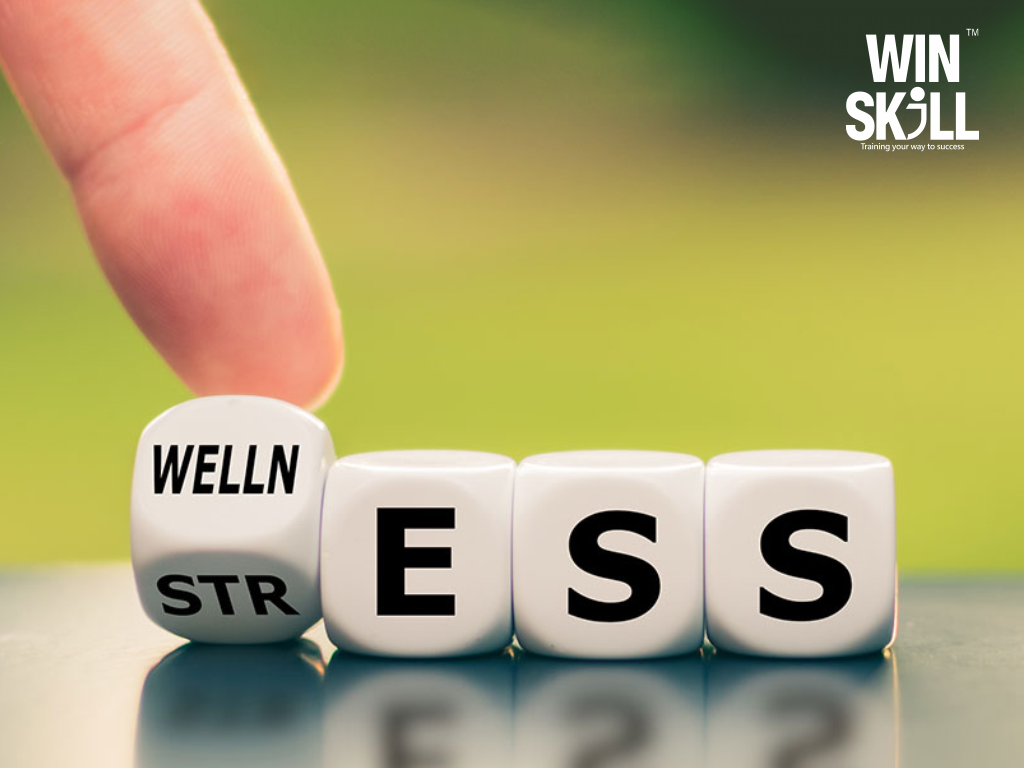
In today’s fast-paced world, achieving wellness can often feel like walking a tightrope. Balancing various aspects of life—work, family, health, and personal growth—requires mindfulness and dedication. But what exactly does balancing for wellness entail, and how can we master it?
1. Understanding Wellness as Balance
Wellness isn’t just the absence of illness; it’s a holistic sense of well-being that encompasses physical, mental, emotional, and social health. Balance in this context means finding harmony among these dimensions, ensuring that no single aspect overshadows the others.
Think of wellness as a four-legged chair. If one leg is shorter or longer than the others, the chair wobbles. Similarly, if we neglect any area of wellness, our overall stability is compromised.
2. The Dimensions of Wellness
- Physical Wellness: Includes regular exercise, a balanced diet, sufficient sleep, and regular medical check-ups. Maintaining physical health creates a foundation for other areas of wellness.
- Mental Wellness: Involves cognitive functions, mental clarity, and emotional regulation. It’s nurtured through activities that stimulate the mind and promote a positive outlook, such as learning, creativity, and therapy.
- Emotional Wellness: Focuses on understanding and managing our emotions. Developing emotional resilience allows us to handle stress and bounce back from setbacks.
- Social Wellness: Centres on building and maintaining healthy relationships. It includes a support network of family, friends, and community, which is crucial for emotional support and a sense of belonging.
3. Practical Strategies for Balancing Wellness
a. Time Management
Effective time management is the cornerstone of balancing wellness. Prioritise tasks and set realistic goals. Use tools like planners or digital calendars to allocate time for work, exercise, relaxation, and social activities. Remember, it’s okay to say no to commitments that don’t align with your wellness goals.
b. Self-Care Routine
Incorporate self-care into your daily schedule. This could be as simple as a morning meditation, a walk during lunch, or reading before bed. Self-care isn’t indulgent; it’s necessary for replenishing your energy and maintaining balance.
c. Mindfulness and Stress Management
Practice mindfulness to stay grounded. Techniques such as meditation, deep breathing, and yoga can help manage stress and maintain emotional equilibrium. Stress is inevitable, but how we respond to it can significantly impact our wellness.
d. Healthy Boundaries
Set and maintain healthy boundaries in personal and professional relationships. This ensures that you have the time and energy for self-care and prevents burnout. Communicate your needs clearly and respect the boundaries of others.
e. Continuous Learning
Embrace a growth mindset. Learning new skills, whether professional or personal, enhances mental wellness and keeps your mind active. It also fosters a sense of achievement and self-worth.
4. Integrating Wellness into Daily Life
Balancing wellness isn’t about achieving perfection but about making continuous adjustments. It’s akin to tuning a musical instrument; regular small adjustments keep it in harmony. Here are some daily practices to consider:
- Morning Rituals: Start your day with activities that set a positive tone, such as exercise, journaling, or a healthy breakfast.
- Work-Life Balance: Create clear boundaries between work and personal life. Designate a specific workspace if working from home, and stick to a routine that includes breaks and a definitive end to the workday.
- Mindful Eating: Pay attention to what you eat and how it makes you feel. Choose foods that nourish your body and mind, and enjoy meals without distractions.
- Evening Wind-Down: Develop a wind-down routine to signal to your body that it’s time to rest. This could include reading, light stretching, or listening to calming music.
5. The Continuous Journey of Balance
Balancing wellness is an ongoing journey, not a destination. Life’s demands and our own needs constantly evolve, requiring us to adapt and re-balance. Be compassionate with yourself during this process; setbacks are natural and part of learning. Celebrate small victories and remain committed to your wellness goals.
Achieving balance for wellness is an art and a science, a blend of practical strategies and personal insight. It requires dedication, but the rewards—a harmonious and fulfilling life—are worth the effort. Remember, wellness is within your reach. By making mindful choices and nurturing each dimension of wellness, you can create a balanced, vibrant, and joyful life.
An exceptionally important topic to be covered up in this hectic life. We need such insightful information & tips to live a life with wellness!