
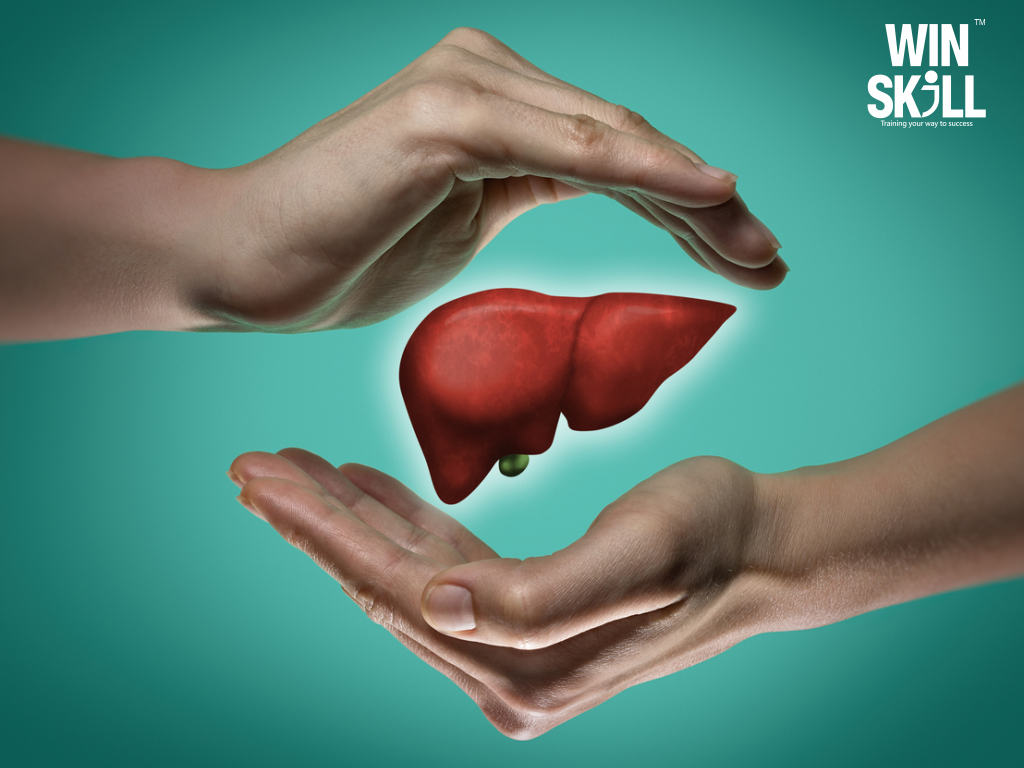
Every year on July 28, World Hepatitis Day brings global awareness to the battle against hepatitis, a group of infectious diseases known as Hepatitis A, B, C, D, and E, which collectively affect millions of people worldwide. The World Health Organisation (WHO) established this day to educate people about the causes, prevention, and treatment of hepatitis, aiming to eliminate hepatitis as a public health threat by 2030. This year’s theme, “Hepatitis Can’t Wait,” emphasises the urgency of accelerating efforts to diagnose, treat, and prevent hepatitis.
Understanding Hepatitis
Hepatitis refers to an inflammation of the liver, commonly caused by viral infections. Each type of hepatitis has its own modes of transmission, risk factors, and preventive measures:
- Hepatitis A: Transmitted through ingestion of contaminated food and water. It is preventable through vaccination and good hygiene practices.
- Hepatitis B: Spread through contact with infectious body fluids, such as blood and semen. Vaccination is the most effective prevention method.
- Hepatitis C: Primarily spread through blood-to-blood contact. There is no vaccine, but effective treatments are available.
- Hepatitis D: Only occurs in those infected with Hepatitis B. It is preventable through the Hepatitis B vaccination.
- Hepatitis E: Transmitted through ingestion of contaminated water. It is preventable through good sanitation and clean drinking water.
The Global Burden of Hepatitis
Hepatitis remains a significant global health challenge. According to WHO, an estimated 296 million people are living with chronic Hepatitis B, and 58 million with chronic Hepatitis C. These chronic infections lead to severe liver diseases, including cirrhosis and liver cancer, resulting in 1.1 million deaths annually. Despite the availability of vaccines and treatments, many people remain unaware of their infection status and lack access to necessary healthcare services.
Breaking Barriers: Diagnosis and Treatment
Early diagnosis and timely treatment are crucial in managing and preventing the spread of hepatitis. However, stigma, lack of awareness, and inadequate healthcare infrastructure pose significant barriers. This World Hepatitis Day, it’s essential to:
- Promote Testing: Encourage people to get tested, especially those at higher risk. Testing is the first step towards managing and treating hepatitis.
- Expand Access to Treatment: Ensure that effective treatments are accessible and affordable for everyone. Direct-acting antivirals (DAAs) have revolutionised Hepatitis C treatment, offering a cure in over 95% of cases.
- Enhance Vaccination Coverage: Strengthen immunisation programs to ensure that all newborns and high-risk populations receive the Hepatitis B vaccine.
Advocacy and Education
Raising awareness and educating the public about hepatitis is vital in the fight against this disease. Here’s how you can contribute:
- Social Media Campaigns: Use social media platforms to share information, personal stories, and support networks. The hashtag #WorldHepatitisDay can help amplify the message.
- Community Outreach: Organise or participate in local events, workshops, and seminars to educate communities about hepatitis prevention and treatment.
- Policy Advocacy: Advocate for stronger public health policies, increased funding for hepatitis programs, and better integration of hepatitis services into primary healthcare systems.
Personal Stories: The Human Side of Hepatitis
Sharing personal stories can humanise the fight against hepatitis and reduce stigma. For instance, hearing from individuals who have successfully managed their condition or from those who have overcome the challenges of living with hepatitis can inspire others to get tested and seek treatment.
World Hepatitis Day serves as a crucial reminder that hepatitis is a global health issue that requires urgent and coordinated action. By raising awareness, promoting testing and treatment, and advocating for better healthcare policies, we can move closer to the goal of eliminating hepatitis by 2030. Remember, hepatitis can’t wait, and neither should our efforts to combat it.
Join the movement this World Hepatitis Day and make a difference in the fight against hepatitis. Together, we can create a world free of hepatitis.